
Children and violence in the family
Children and violence in the family
Children notice and understand far more than adults often realise. Research shows that witnessing violence can be just as harmful as being directly exposed to it.
Everyday life in a crisis
It has taken courage and strength to get here. Living with violence can affect your ability to take care of yourself and your children in very basic ways. It may have been difficult to pack lunches, go shopping, get out the door in the morning, or simply have the energy to be present.
There is no shame in this. At our centre, it is important that we talk openly about what you and your children may need help with. We see it as a strength to ask for support.
We are here to help
– around the clock
If you need advice or guidance, you are always welcome to contact us by phone: 70 77 00 01 / 70 77 00 1 1
Children are witnesses, and that matters
Children growing up in a home with violence are victims too, even if they are not directly targeted. Witnessing a parent being abused is frightening and confusing, as the adults who are meant to feel safe and predictable suddenly become something else.
This places children in a constant state of alert and can have serious consequences for their well-being and development.
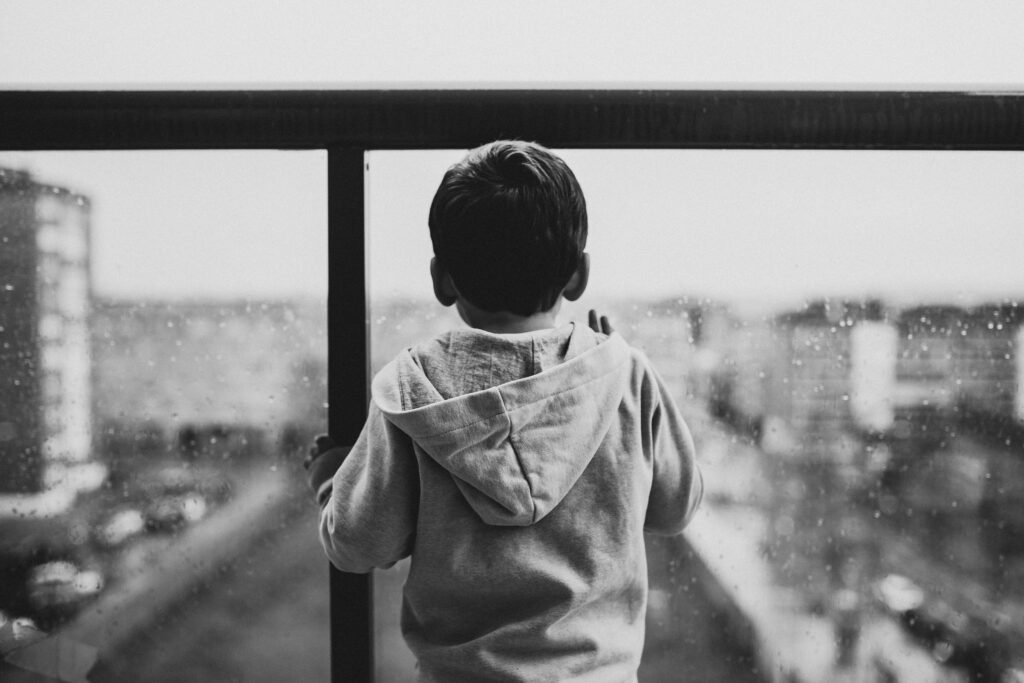
Reactions to look out for
Children react differently, and their responses may change over time — both during the violence, during their stay, and afterwards. All reactions are understandable and natural.
- Bedwetting after being toilet-trained
- Increased need for closeness to their mother
- Withdrawn behaviour
- Taking responsibility for siblings or parents
- Delayed or regressed language development
- Changes in eating habits
- Acting out or aggressive behaviour
- Imitating violent behaviour from home
Guilt and shame in children
Many children carry feelings of guilt and shame because no adult has helped them put words to what they have experienced. They keep it to themselves in order to maintain peace in the family.
Children love both their parents, even when one parent has done something wrong. Here, your child is allowed to miss their father and talk about him. It is also natural for a child to feel angry about the situation, at you, or at him. If this feels difficult to navigate, we offer mother–child sessions.
We know that children’s anxiety and feelings of guilt are eased when adults break the silence and talk about what has happened.
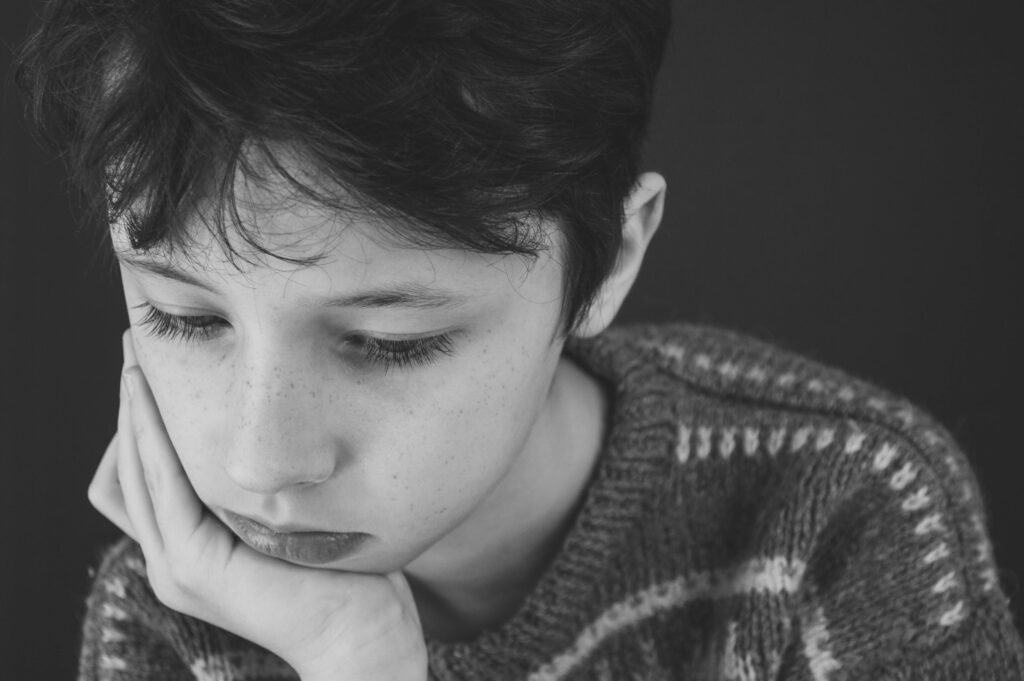
Our approach to children
At Gaia, we work purposefully with children’s well-being and development. We offer child-centred conversations where we talk with your child about what they have experienced in a way that matches their age and stage of development.
We also use music therapy, art therapy, and sandplay as tools to help children find a language for their experiences when words are not enough. Creativity and play often open doors to what is otherwise difficult to express.
It strengthens your relationship with your child when adults take responsibility and talk about what has happened. It helps the child understand that it is not their fault, and that the future can be different.

We are here for you
Do you need to talk to someone?
You can call us 24 hours a day. You do not need to have all the answers before you call.
Gaia Crisis Centre: +45 70 77 00 01
Lev uden volds hotline: 1888
Mødrehjælpens chat or hotline: +45 33 45 86 00