
A place you can always return to
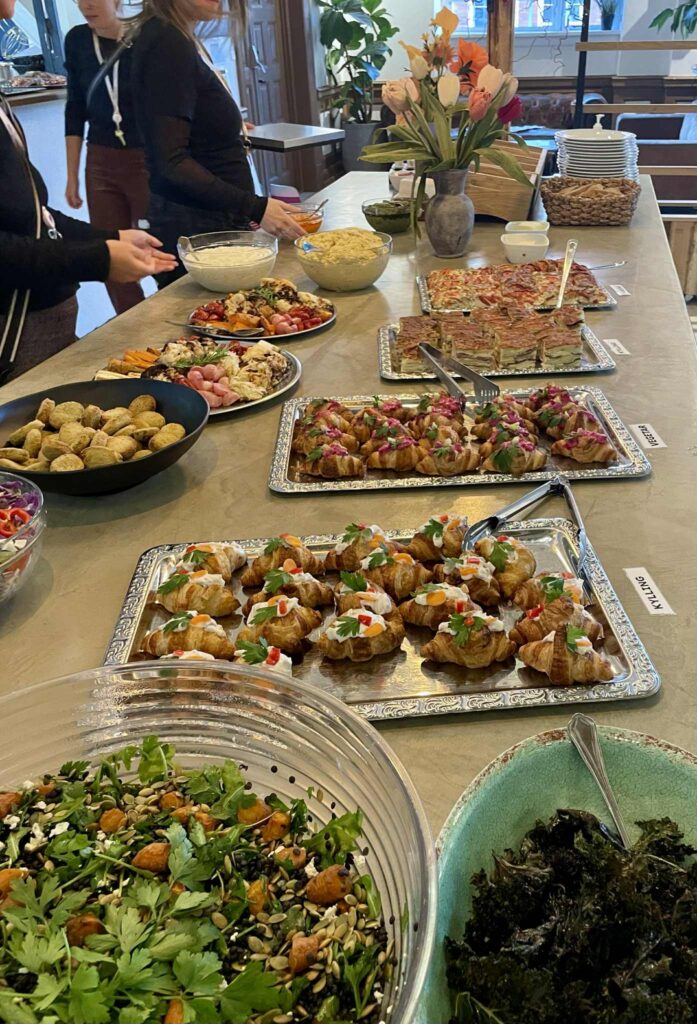
On the last Wednesday of each month, the tables are set, drinks are poured, and slowly women and children arrive in the dining hall — some from their rooms in the house, and others from their new homes outside Gaia. It is time for the Reunion Café, which takes place every month at both of our crisis centre locations in Aarhus and Kjellerup.
The Reunion Café is an open and informal gathering where current and former residents meet over a meal.
There is no programme and no formal framework. The women come because they want to, and they are welcome regardless of when they were last here. Children are of course also welcome, and childcare is available so mothers can have an evening with space and companionship.
We have deliberately chosen for the café to remain completely informal. Women who have lived with violence have often had to navigate environments marked by control and unpredictability for a long time. Having a safe, open space with no requirements or assessment has great practical and human value. The Reunion Café is an offer; registration is not binding, and people can come and go as they wish.
When past and present meet
What makes the reunion café unusual is that it brings together two groups of women who rarely meet: those who are in the middle of the process, and those who have taken the next step forward.
For a woman who has just moved into Gaia and may not yet be able to see what lies ahead, there is something very special about sitting across from someone who knows that feeling from the inside and has come through it stronger on the other side. That kind of presence offers something that professional support alone cannot provide.
For former residents, the reunion café is an opportunity to return to a place that has become part of their story. Gaia was the house and the people they called home during a difficult period in their lives, and many still carry it with them as a second home. The sense of community they took with them when they left is still here. They can return, contribute, share their experiences, and feel that they still belong.
It is also an opportunity to see the staff who supported them during their stay. Those relationships matter, and being able to meet again without needing an admission or a case process means a great deal to many of the women.
Aftercare and belonging
We know from research and practice that the transition from a crisis centre to an independent home is one of the most vulnerable periods for women who have experienced violence. They leave a safe framework and return to a daily life that can feel lonely and uncertain, and the network they found at the crisis centre is suddenly no longer part of their everyday life. In addition, isolation is one of the most effective tools used by perpetrators to control their partners, and many women have therefore lost contact with family and friends over time.
Research from the University of Southern Denmark shows that more than one third of women are exposed to new violence from a former partner after moving out, and that many continue to live with stalking, threats, and psychological distress. This is supported by the fact that up to a quarter of women in crisis centres have had one or more previous stays. Far too many do not receive the long-term support needed to break the cycle of violence.

Aftercare is fundamentally about taking this challenge seriously and ensuring that support does not abruptly end when a woman leaves the crisis centre. At Gaia, we are currently launching a foundation-funded aftercare programme in collaboration with Kvindehuset in Aarhus and Red Barnet, inspired in part by the strongly positive experiences from our reunion café. It has functioned as a stable and accessible place of belonging that former residents can return to at their own pace and on their own terms. It will continue to do so, even once the aftercare programme is fully established. Its value is difficult to capture in purely professional terms, but it can be felt: belonging to a community, being seen and recognised, having people who understand your situation and want to know how you are doing.

A community across differences
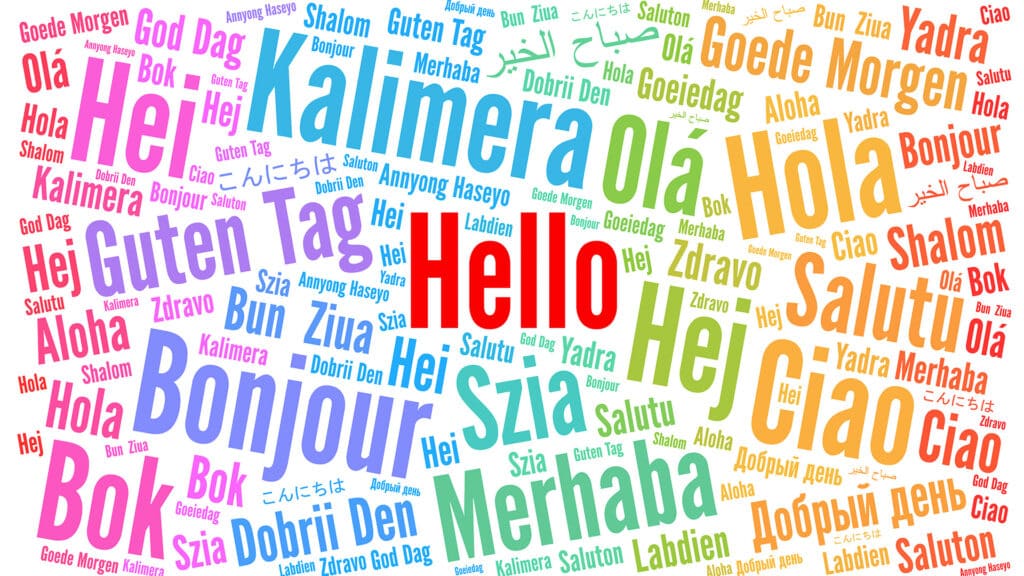
The women who stay with us and those who return to the Reunion Café come from many different ethnic backgrounds and speak many different languages. This diversity is a natural part of the community at Gaia, and it is present in the Reunion Café in the same way.
Food has always been one of the ways we connect across what otherwise separates us. Sharing a meal creates space for curiosity, and language becomes less important when you sit around the same table. The women find each other because they share something more fundamental than language and background: the experience of having lived here, and what they have carried, processed, and built on since. This is the kind of community we strive to create space for, even long after they have left us.
The Reunion Café is open to all current and former residents of Gaia Crisis Centre. It takes place on the last Wednesday of each month at both locations in Aarhus and Oustruplund. Everyone is welcome.